Minimalism in real estate imagery is not about empty rooms, it is about amplifying what matters and stripping away everything that competes with the story of the home. When clients reach out to Luminis Media for listing photography, they rarely ask for minimalism by name, but they describe it. They want calm, clean frames where light feels intentional and buyers can understand a space at a glance. That is the promise we make with every appointment, from first call to final delivery.
What minimalism means in real estate
In galleries and museums, minimalism can lean austere. In Luminis Media real estate photography, it reads as clarity. The composition is straightforward. Lines are corrected. Colors are faithful, not hyped. The space feels larger because there are fewer visual interruptions, and whatever remains in frame has purpose. A doorway leads the eye deeper, a window pulls attention to a view, a kitchen island anchors the scene.
Minimalism also shows up in the workflow. Lighting setups are efficient, styling notes are simple, and the number of final images is curated to what buyers need to make a decision. The end product is quiet, but the process behind it is highly deliberate. That is where real expertise separates a crisp set from an average one.
The backbone of a minimalist look: light, geometry, restraint
Photographs sell space, not just finishes. At luminis.media, we train our team to read a room in three layers.
The first layer is light. Natural light is the foundation. We prefer to shoot interiors with curtains wide open and lights off if the ambient is clean. Many homes mix warm and cool bulbs that fight with daylight and contaminate colors. Turning off interior lights removes that tug of war, reduces editing, and keeps whites neutral. On gloomy days, we use a single off-camera flash bounced into a ceiling or wall to mimic window light without adding hard shadows.
The second layer is geometry. A minimal frame depends on strong lines and accurate proportions. That means leveling the camera at mid-height to avoid keystoning, stepping back enough to avoid claustrophobia, and choosing focal lengths that do not mislead. We prefer 18 to 24 mm on full-frame for most rooms. Ultra-wide options can be tempting, but they distort furniture and make buyers feel deceived when they tour. For luxury spaces where detail matters, we supplement with 35 mm vignettes to show texture without overwhelming the eye.
The third layer is restraint. Resist the urge to show everything in one image. Instead, design a sequence. One wide establishes the room, one medium introduces a key feature, and one detail provides emotion. Luminis Media property photography leans on this rhythm because it brings order to a listing page and helps agents control how buyers move through an online tour.
Gear choices that support simplicity
The question we get most from agents who shadow us is whether we travel with a van full of lights. We do not. Minimalist production keeps the kit tight and reliable.
- One full-frame body and a second body in the car as a contingency A sharp wide zoom and a normal prime Two speedlights with radio triggers, small softbox, and a collapsible reflector A sturdy tripod with a panoramic head and a compact light stand
That is our first list, the only kit list you will see in this article, because it mirrors how we work: no excess, just tools that stay invisible to the homeowner. The tripod is not negotiable. Stability is the cheapest way to raise image quality. With a locked camera, we can blend ambient and flash plates quickly, capture consistent verticals, and minimize post-production gymnastics.
For video, the same ethos applies. A mirrorless body with reliable autofocus, a gimbal for short walk-throughs, a set of ND filters, and soft LED panels for utility rooms or basements. Luminis Media real estate videography does not aim for cinema in the theatrical sense. It aims for a calm pace, unbroken horizons, and natural transitions. The music is subtle and the cuts are generous, about 3 to 5 seconds per angle, so rooms feel breathable.
A morning in the field
On a typical assignment for a three-bedroom home, we schedule a 9:30 a.m. Arrival. Morning light avoids the harsh peaks and most neighborhoods are quiet. I begin with a five minute tour with the agent. It is not idle chat. I look for problem bulbs that can be turned off, note view corridors, and ask about the listing’s hero features. If the patio faces a city skyline that looks best in late morning, I plan the route to hit it at the right moment.
In the kitchen, I clear counters to a single grouping. One plant, one tray with two items, or one book. The exact items depend on what is already in the home. If the owner has a quality espresso machine, I leave it and remove the rest. Minimalism reads as honest when it respects the home’s character rather than suppressing it. For bathrooms, I remove everything but hand soap and a folded towel. Toiletries belong in drawers for photos.
I shoot each room with blinds fully open and interior lights off, unless there is no exterior light at all. For dark basements, I place one flash behind me, feathered up into the corner so the spread feels invisible. If the ceiling is wood, I switch to a softbox to avoid color casts. Every time I move rooms, I check verticals. The easiest way to ruin a clean look is to tilt the camera so lines converge. Fixing that on-site saves retouch time and protects image sharpness.
The minimalist difference in editing
Real estate photography for luminis.media is built on speed and consistency. Most agents want photos back within 24 hours. A clean, minimal approach keeps editing predictable.
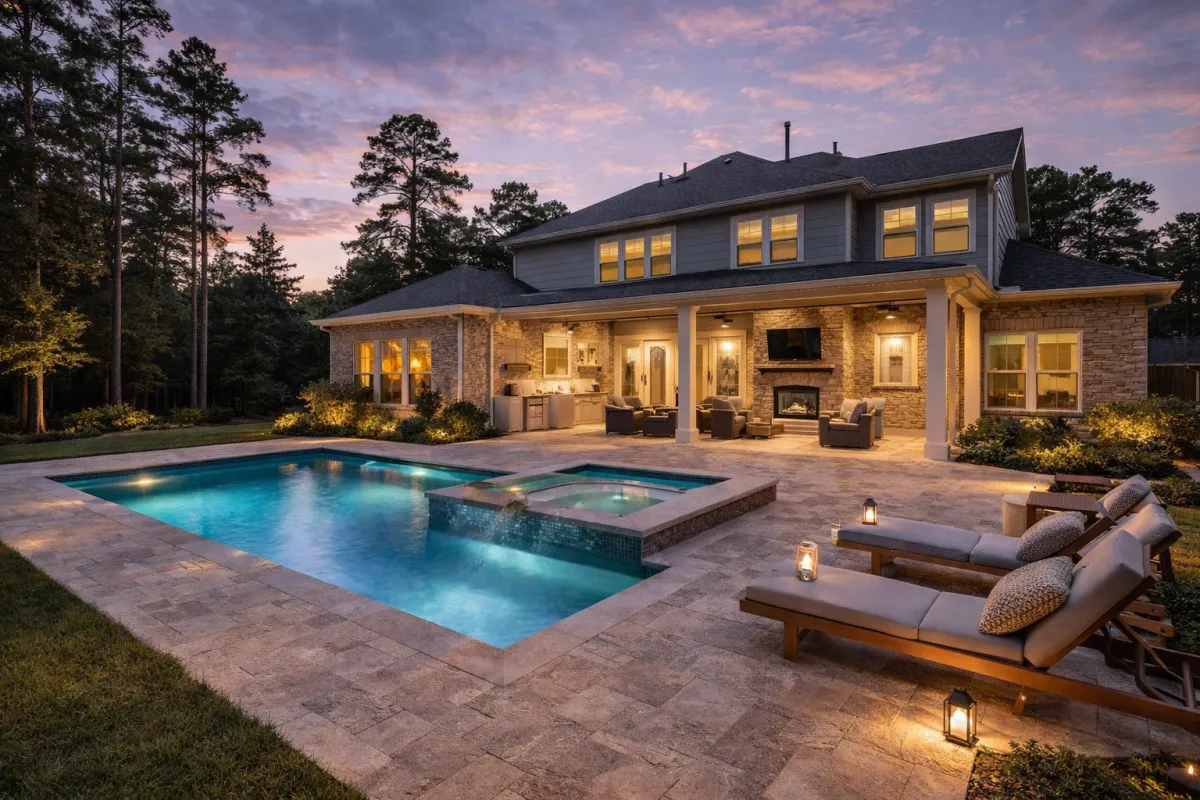
White balance first. We standardize against window light, then nudge warmer if a space feels sterile. If we used flash, we feather the highlights to avoid a plasticky sheen on countertops. Lens corrections are applied on import. Vertical alignment happens before crop, not after. On exteriors, we remove cars and bins only when they are in the frame and distract from the home, not as a default. Honesty outlasts tricks when buyers show up.
For sequences, we deliver about 25 to 35 images for an average home, and 45 to 60 for a larger luxury property. That count is lower than what some studios claim, and clients thank us for it. Luminis Media listing photography emphasizes quality over volume, which helps listings load faster on mobile and keeps attention on what sells. For each set, we include a short MLS version and a full-resolution folder. If the agent orders Luminis Media real estate photos and video together, we align color across both so the online experience feels cohesive.
Minimalism for luxury, without losing soul
Luxury brings more space, more surfaces, and more places to go wrong. The instinct can be to amplify everything. A better move is to tighten the story. With Luminis Media luxury real estate photography, the minimalist lens becomes even more valuable.
In a penthouse with floor-to-ceiling glass, the temptation is to lean into the view for every angle. We choose three view shots and let the rest of the frames show how the layout supports that view. That means one hero wide with the skyline, listing photography one medium with the dining table and window, and one twilight exterior or balcony image. The rest of the set focuses on craftsmanship. We use a normal lens to show the depth of a stone edge on a waterfall island, or the alignment of millwork in the study.
Staging shifts too. Luxury homes usually have professional staging or curated furniture. We edit the stage, not replace it. Decorative pillows are lined but not overfluffed. Throws are folded to one curve, not three. Minimalism here feels like restraint in service of trust. Buyers of multi-million dollar properties often look at dozens of listings before booking a single tour. The portfolios that hold attention feel refined and unforced.
When less is not enough
Minimalism is a default, not a rule. Some spaces call for a little more intervention, especially older rentals, flipped homes with mixed lighting, or basements without windows. In these cases, we layer more light or more styling, but we keep the final image feeling like a single exposure. Overcomplication often shows in reflections and shadows that fight logic. If we add two lights, we place them as if they were one big soft window, then remove unnecessary reflections in post.
There is also a moment in every shoot when a stylistic flourish can help: a single motion frame of a door opening to the garden, steam rising subtly from a kettle in a lifestyle scene, or a night exterior with interior lights balanced to a deep blue hour. Luminis Media real estate photography makes room for those one or two expressive frames, but only after the essentials are covered.
A compact checklist for clients before we arrive
- Clear counters and surfaces to one intentional object per zone Replace burnt bulbs or, better yet, leave lights off for the shoot Hide trash bins, pet bowls, and small appliances in cabinets Park cars away from the front of the home if possible Unlock side gates and disable motion sprinklers on shooting day
These five actions do more for the final gallery than any last minute styling spree. They enable the minimalist approach to work without fuss, and they reduce time on-site, which means faster delivery.
Floor plans, matterport, and how they fit a lean approach
We often get asked whether floor plans and 3D tours conflict with minimalism. They do not. They support it. Clear photos spark interest. A floor plan confirms flow and scale. A 3D tour lets buyers linger. The trick is to present them in a hierarchy that does not overwhelm the listing.
At Luminis Media, we integrate floor plans as a secondary asset and keep the photo gallery curated. For luminis.media real estate photography paired with a 3D tour, we recommend a shorter video. A 45 to 60 second cut is enough to set a tone and point viewers toward the immersive tour without duplication. The visual language stays consistent across assets: level horizons, even color, and confident pacing.
Real world trade-offs and judgment calls
Occasionally, agents ask us to replace skies that were clear but boring. We do it when the replacement matches the direction of light in the scene and preserves realism. If the sun direction conflicts, we keep the real sky and adjust contrast to help the home read against it. For winter lawns, a small saturation lift is acceptable, but painting grass to summer green can ruin trust.
Tenant-occupied homes bring another set of considerations. We cannot demand complete decluttering. Here, we shoot tighter, angle to emphasize layout, and accept that not every corner will be perfect. The promise is not perfection, it is clarity. Even with constraints, Luminis Media real estate photos can feel considered and honest.
Weather does not always cooperate. Rain on the day of an exterior is not a disaster. Wet driveways read darker, which can make siding pop. If the rain is gentle, we shoot under an eave and keep droplets off the lens. If it is pounding, we pivot to interiors and schedule a quick exterior return. Agents appreciate the flexibility, and it keeps the production minimal in disruptions as well as in style.
Pricing that rewards focus
Minimalist workflow is efficient, which protects budgets without cheapening the result. Our base package for Luminis Media listing photography covers interiors and exteriors up to a set image count, same-day delivery by default, and straightforward licensing for MLS and agent marketing. Upgrades are purposeful: twilight, community amenities, and video. We are transparent about what adds time on-site or in post, and we quote accordingly. A pool with glass fencing can double reflection control in editing. A mirrored backsplash may require multiple plates to remove the photographer. Agents do not need to know the technicalities, but they appreciate the heads-up when a home will take longer.
The quiet power of consistent angles
If you look through a dozen galleries from Luminis Media property photography, you will notice a subtle pattern. Rooms are introduced from the entry angle, not from a corner that no one actually occupies. Kitchens are shown from the working side so buyers can understand sink to stove to fridge. Primary bedrooms are framed from the foot of the bed, not from the closet. These choices come from showing up in hundreds of homes and listening to buyers at open houses. People want to understand circulation and furniture placement most of all. Minimalism supports that by removing novelty for novelty’s sake.
We do vary height. In spaces with lower ceilings, shooting slightly lower than usual increases the perception of height. In rooms with high transoms or beams, we raise the camera to include them without tilting. Exterior frontals are leveled at mid-facade. Overhead drone shots are rare in our minimal set unless the parcel shape or setting is a major selling point. When we do fly, we keep altitude modest so the house is still the subject, not property photography near me the map.
Video that buyers actually watch
Real estate videography for luminis.media starts in the edit. Before we shoot, we write a shot list that mirrors the photo sequence. The video opens wide on the exterior, glides into the entry, then moves room by room without violating geography. Cuts follow doors and lines. We avoid quick pans or whip transitions. A buyer’s brain should not have to reorient after every cut.
Audio is chosen with restraint. Instrumental tracks with light percussion and warm keys fit most homes. Lyrics compete with attention. On screen text is short: address, bed and bath count, square footage, neighborhood. If we include agent branding, we keep it at the end. Agents sometimes ask for a slow motion coffee pour or faucet close-up. We test it in the timeline. If it feels indulgent, we cut it. The final video is shaped by the same values as the stills, useful and elegant.
SEO without noise for agents and developers
A minimalist approach extends to how listings are presented online. Too many words can bury the lead. Strong photos paired with tight copy convert better. On our side, we optimize filenames and alt text with human-readable descriptions: 123-Main-Street-living-room-windows.jpg performs better than a string of numbers. When agents reference our services in their marketing, variations like real estate photography Luminis Media or Luminis Media real estate videography help prospective clients find a fit without keyword stuffing. The outcomes tell the story: faster clicks to contact buttons, higher engagement on mobile, fewer bounce backs from cluttered pages.
Clients who manage several buildings often ask for consistency across multiple shoots. We create lightweight style guides that summarize angles to hit, the mix of wide and details, and any brand color considerations for twilight or amenity spaces. That is where luminis.media real estate photographer services distinguish themselves. We grow a portfolio that feels unified across addresses without every gallery looking the same.
Case notes from the field
A builder partner hired us to reshoot a modern spec home that had been on the market for weeks. The previous gallery used heavy HDR, every light was on, and the counters overflowed with props. We returned with the same furniture, just edited. We shut the lights off, cleared the kitchen to a single bowl of citrus, and re-angled the great room so the fireplace aligned with the window grid. The MLS lead photo changed from an over-bright corner view to a balanced frontal with honest scale. The property went pending after two show weekends. Was it only the photos? Probably not. Did the new visuals reduce friction in the buyer’s mind? Absolutely.
Another time, a small condo in a shaded courtyard read dark even at noon. We could have fought it with multiple lights, but the space did not want glamour. We accepted the mood and built around it. The frames felt steady and sincere. The agent later told us buyers appreciated that the place looked like itself.
Guardrails that keep minimalism honest
Minimalism can cross into sterility if you remove the anchor that makes a room worth living in. We use a few internal guardrails when we edit a set.
- Include at least one human-scale cue per room, like a chair, a faucet, or a door frame Keep color temperature within a narrow band across the set so the tour feels continuous Present at least two angles for key functional spaces, kitchen and primary suite, to confirm layout Deliver an exterior that shows context, a bit of sky or street, so the home has a place For luxury, include one tactile detail that communicates craftsmanship without shouting
These choices turn a clean gallery into a persuasive one. They also preserve trust. Nothing destroys momentum faster than a buyer who walks into a home and feels lied to by the photos.
Bringing it back to purpose
All of this detail is in service of a simple result: an image set and, when requested, a video that gets qualified buyers across a threshold. Luminis Media real estate photos are built to spark interest without confusion. Real estate photos luminis.media are made to load fast, look accurate on phone screens, and hold up on retina displays. Real estate videography luminis.media reflects the pace at which people actually browse listings, calm and inviting.
Underneath the technique, there is something more personal. Minimalism respects time. The seller’s time to prepare, the agent’s time to list, and the buyer’s time to decide. It keeps production out of the way and lets the home speak. If that resonates with how you want your next listing to feel, the approach fits. We will bring the tripod, open the blinds, and start with the angles that tell the story cleanly. The rest is judgment earned from walking into thousands of rooms and knowing which two steps to the left make all the difference.